Millenium Innovation Days 2026 (MID 2026) – Final ATIMA workshop at the ATIMA AdMa Day (14-15.10.2026, Lustenau, Austria) – V-trion

MID2026

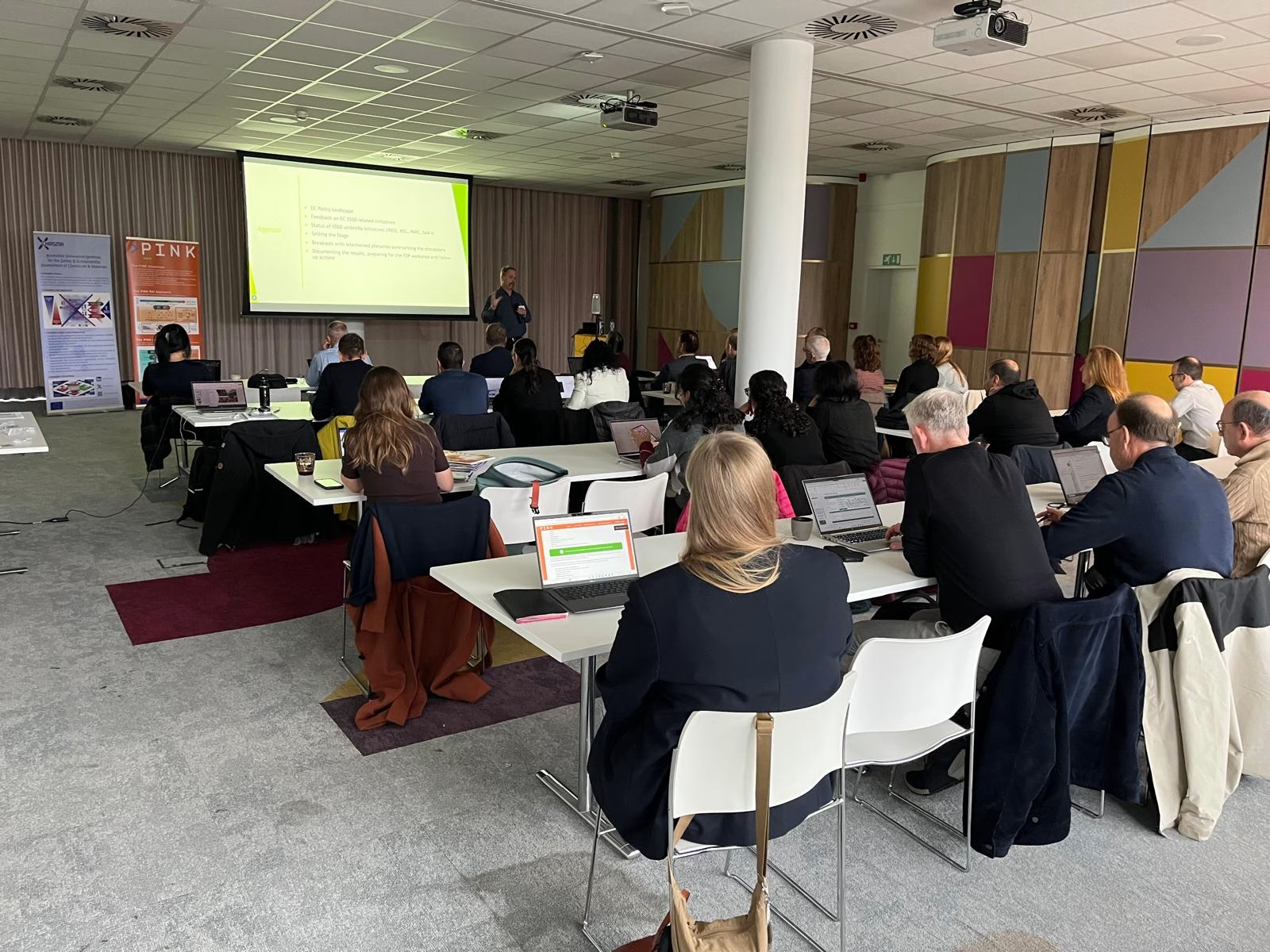
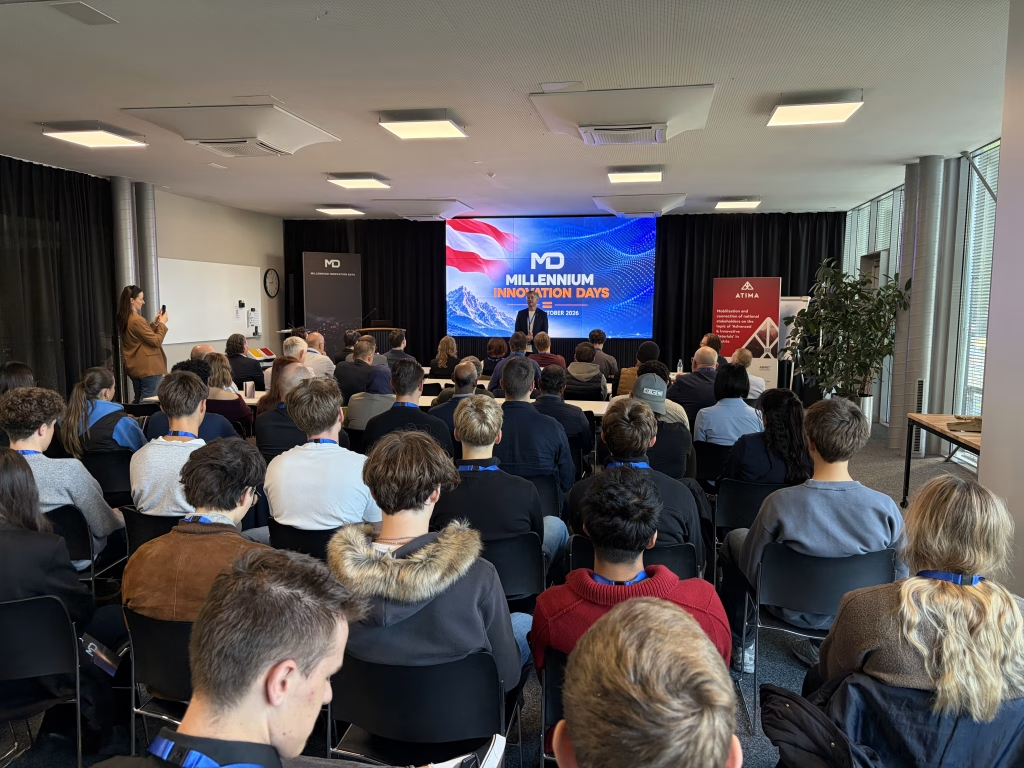
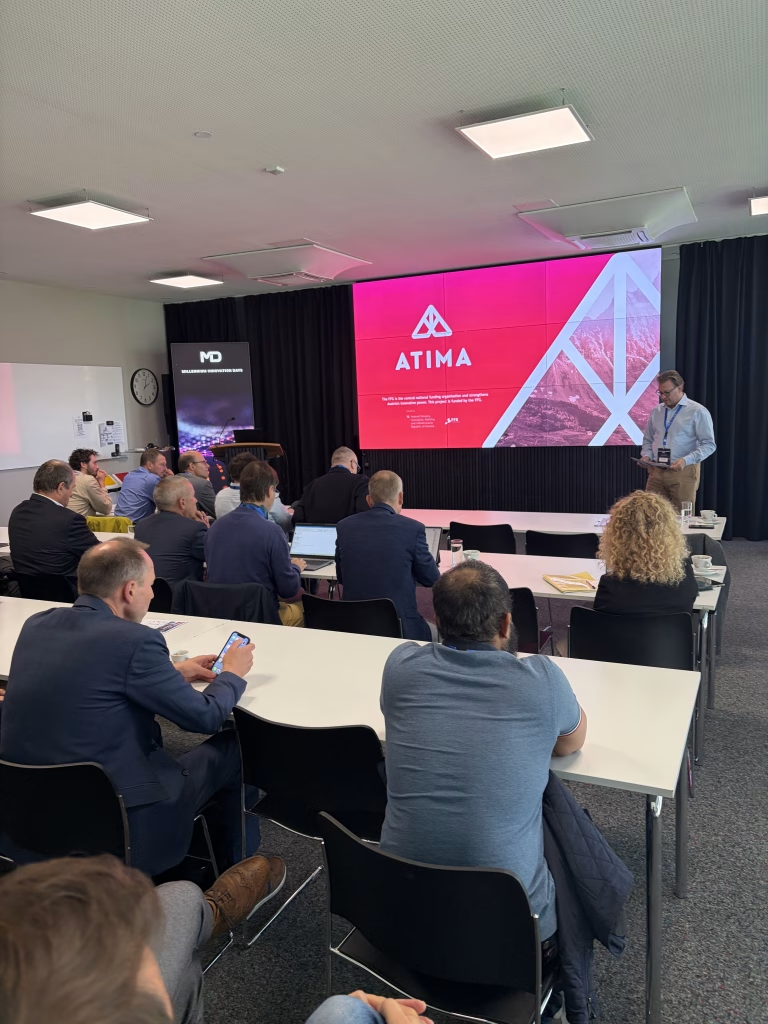
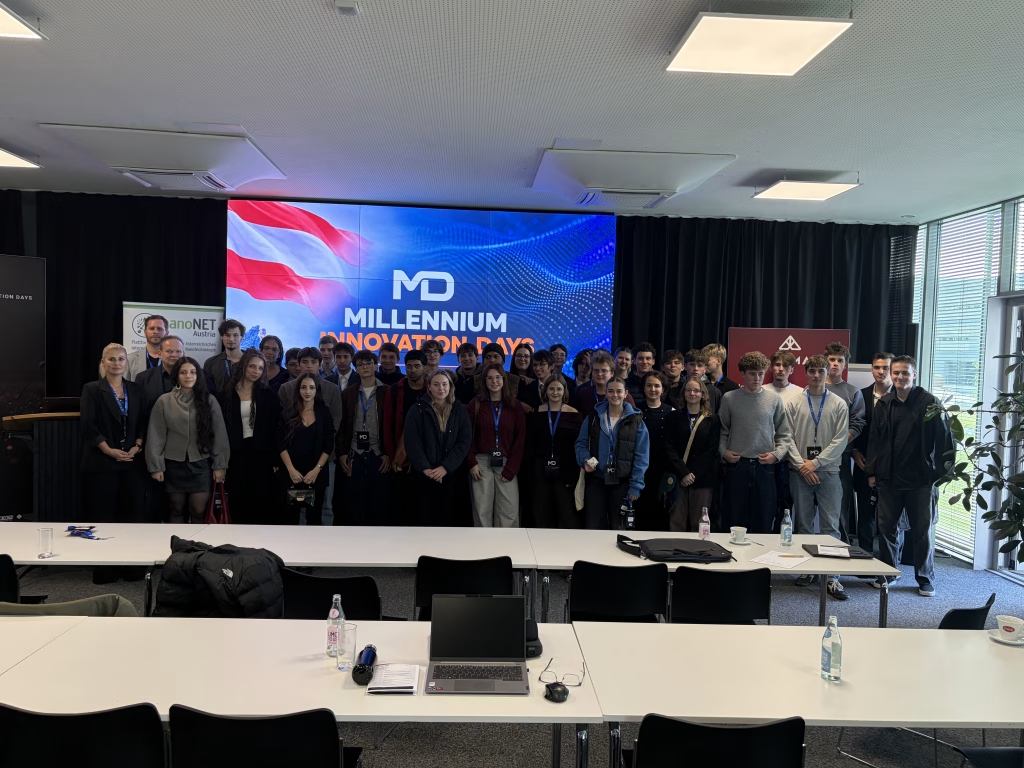
The Millennium Innovation Days 2026, held on 14–15 October in Lustenau, attracted more than 160 visitors across the two days. The event brought together representatives from industry, research and public institutions to explore advanced materials, smart textiles and nanotechnology. For the Smart-Textiles Platform Austria, it provided an important opportunity to connect textile expertise with complementary technologies and potential application partners. 

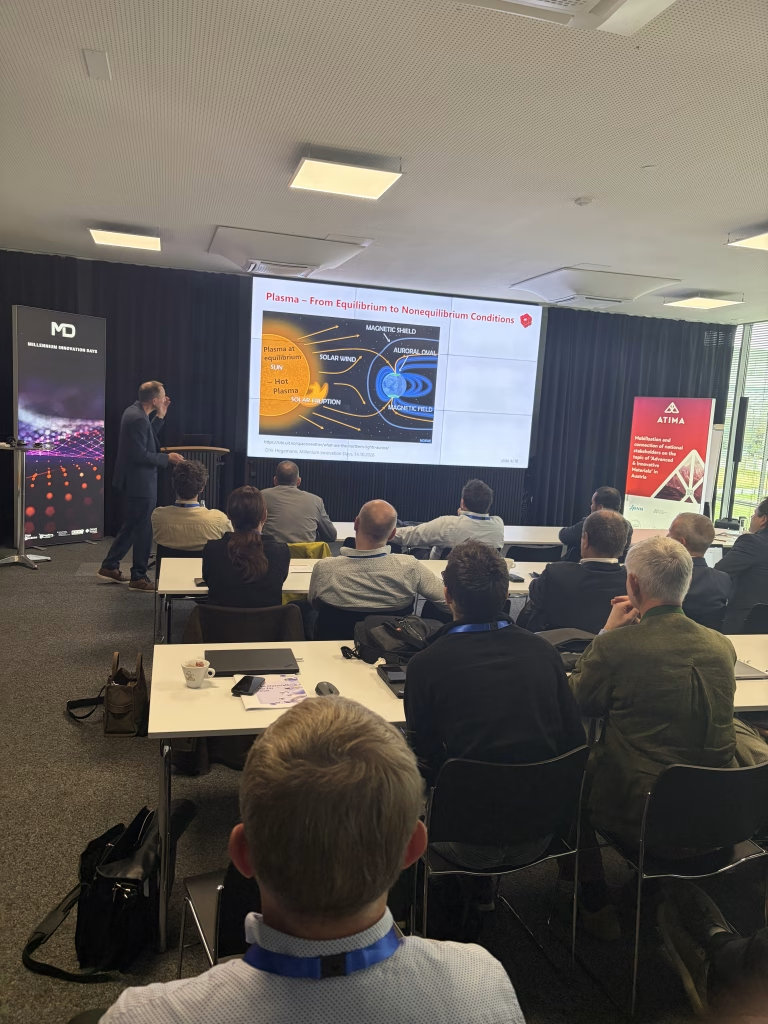
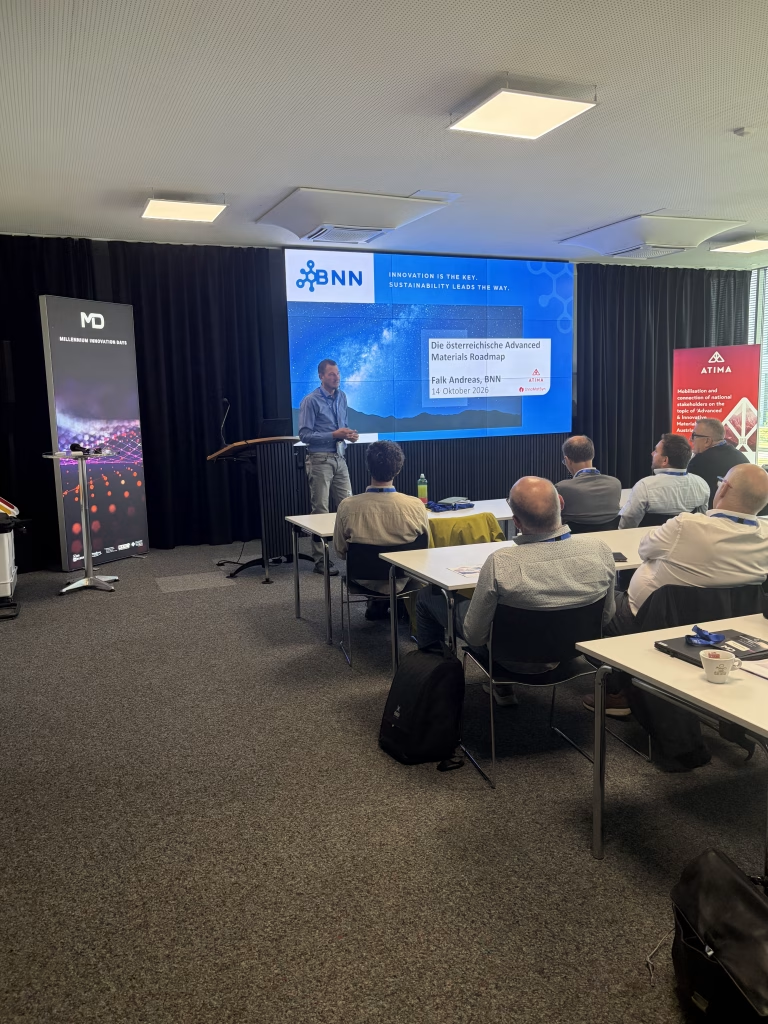
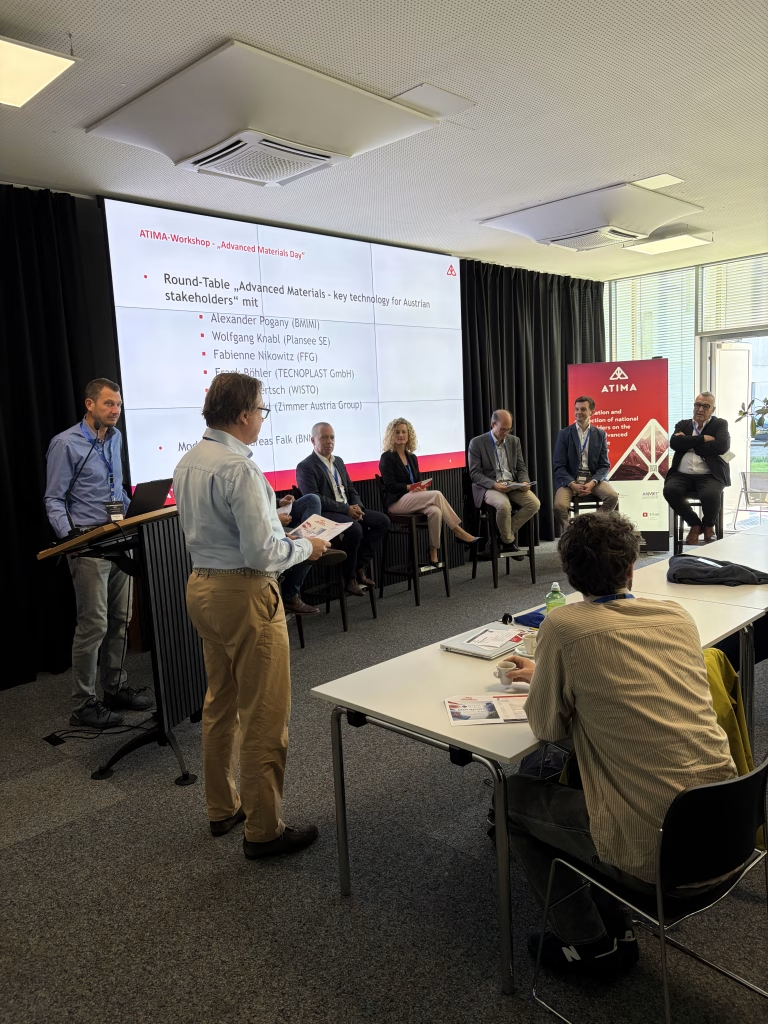
The first day, organised by ATIMA, focused on Advanced Materials. A central highlight was the presentation of the Austrian Advanced Materials Roadmap together with BMIMI and FFG, accompanied by discussions on industrial research needs and priorities for future funding initiatives. 

The Smart Textiles Day on 15 October demonstrated the breadth of opportunities emerging at the intersection of textiles, material science, sensing and healthcare. Following the welcome by Mag. Wolfram Rhomberg of AIT and opening contributions from Mag. Simon Ender of the Municipality of Lustenau and Mag. Alexander Pogány of BMIMI, Günter Grabher outlined the role of smart textiles as a key technology within ATIMA. 

The presentations connected technological developments with practical applications and business opportunities. Martin Ruessli of ELEKTRISOLA Medical Technologies explored the combination of textile wire with medical and other technologies. Andreas Geiger of Bandex addressed closed value chains in Europe, bringing an industrial perspective to the discussion of competitiveness and production networks. 

Healthcare and environmental applications featured prominently. Nesin Derya Ayhan of V-trion presented the UriSens project on smart textile sensing for CRP detection in urine. Dr.-Ing. Deniz Hülagü and Jubain Salim of the German Federal Institute for Materials Research and Testing (BAM) contributed research on zinc oxide nanoparticles and the relationship between their structure and performance in photocatalytic PFAS degradation. Felix Marx of QUS Tech presented the modular soldier system Gladius 2.0, while Dr. Annette van Es of MEMBRYX addressed innovation for defence. Together, these contributions illustrated the relevance of textile technologies to healthcare, environmental research, protection and defence. 

The afternoon programme, organised with nanoNET-Austria, extended the exchange into nanoscale materials and technologies. Contributions from Mag. Alexander Pogány, Dr. Theodoros Dimopoulous, DI Martin Mayrhofer, DI Thomas Fiedler, DI Zofia Bejm and Dr. Manuel Luitz covered technology policy, nanostructured catalysts, ultrathin metal films, self-sensing cantilevers, photodetectors and micro-optics. Dr. Rudolf Heer opened and concluded the nanoNET meeting, connecting these developments with the wider research and innovation community. 

With more than 160 visitors, the Millennium Innovation Days achieved strong participation and created valuable opportunities for professional exchange and networking. The combination of textile applications, advanced materials and nanotechnology made the value of cross-sector collaboration tangible. For the Smart-Textiles Platform Austria, the event strengthened its role as a link between research and industry and provided a basis for further dialogue, project development and cooperation. 

ATIMA_V-trion_MID2026 (1)
ATIMA_V-trion_MID2026 (2)
ATIMA_V-trion_MID2026 (3)
ATIMA_V-trion_MID2026 (5)
ATIMA_V-trion_MID2026 (6)
ATIMA_V-trion_MID2026 (7)
ATIMA_V-trion_MID2026 (8)
Scroll to Top